Balanced Diet: Key to Lasting Health & Vitality
Discover how a balanced diet fuels energy, supports heart health at each stage and aids weight management. Build healthy plates for every life stage.
A balanced diet isn’t a temporary fix – it’s a lifestyle. When you consistently fuel your body with the right balance of nutrients, you support every system within it, from your skin to your bones to your mood. In this article you’ll learn what a balanced diet looks like, why it matters, and how to adopt healthy eating habits that stick.
What Is a Balanced Diet?
A balanced diet provides your body with all the nutrients it needs to function optimally. Think of it as eating a variety of foods in the right proportions. According to nutrition experts, a healthy plate should be filled with:
- Fruits and vegetables (50 % of your plate). Fill half your plate with colorful produce. Aim for leafy greens like spinach, kale and broccoli as well as brightly colored fruits like berries and oranges. These foods are packed with vitamins, minerals and antioxidants.
- Whole grains (25 %). Whole-grain breads, brown rice, quinoa and oats supply complex carbohydrates and fiber that regulate blood sugar and keep you full longer. Avoid refined grains that have been stripped of nutrients.
- Lean protein (25 %). Choose healthy proteins such as fish, poultry, beans, lentils, tofu and nuts. Lean protein builds muscle, supports cellular repair and helps you feel satisfied after a meal.
- Healthy fats. Incorporate unsaturated fats like olive oil, avocados, nuts and seeds. These fats are essential for brain function and heart health.
- Adequate hydration. Water is the best drink. Limit sugary beverages and enjoy unsweetened tea or sparkling water as alternatives.
This balance ensures you get a mix of macronutrients (carbohydrates, proteins and fats) along with vitamins, minerals and dietary fiber. It’s not about strict rules – it’s about variety and quality.
Why a Balanced Diet Matters
Eating the right foods does more than keep hunger at bay; it influences almost every aspect of your health. Here are some evidence‑based benefits of maintaining a balanced diet:
- Improved longevity and vitality. Nutrient‑dense foods help you live longer and maintain energy. The Centers for Disease Control and Prevention (CDC) highlight that healthy eating lowers your risk of chronic diseases like heart disease, type 2 diabetes and some cancers.
- Stronger bones and muscles. Adequate protein combined with calcium‑rich foods (e.g., leafy greens, dairy alternatives) supports bone density and muscle repair. Vitamins like vitamin D and magnesium work in tandem to keep your skeletal system strong.
- Better heart health. Diets high in vegetables, fruits, whole grains and lean proteins (like the DASH diet) help regulate blood pressure and cholesterol levels. Fiber from whole foods reduces LDL (“bad”) cholesterol and reduces cardiovascular risk.
- Boosted immune system. Micronutrients such as vitamin C, vitamin A and zinc found in fruits, vegetables and nuts strengthen your immune defenses. They help your body fight infections and speed up recovery.
- Healthy weight management. Eating balanced meals rich in fiber and lean protein helps you stay fuller longer, preventing over‑eating and helping maintain a healthy weight. This reduces your risk of weight‑related conditions like type 2 diabetes and metabolic syndrome.
- Improved mood and mental health. Nutrient‑rich foods support neurotransmitter production, which influences mood. Omega‑3 fatty acids (found in fatty fish, walnuts and flaxseeds) may reduce symptoms of depression and anxiety.
How to Build a Balanced Plate
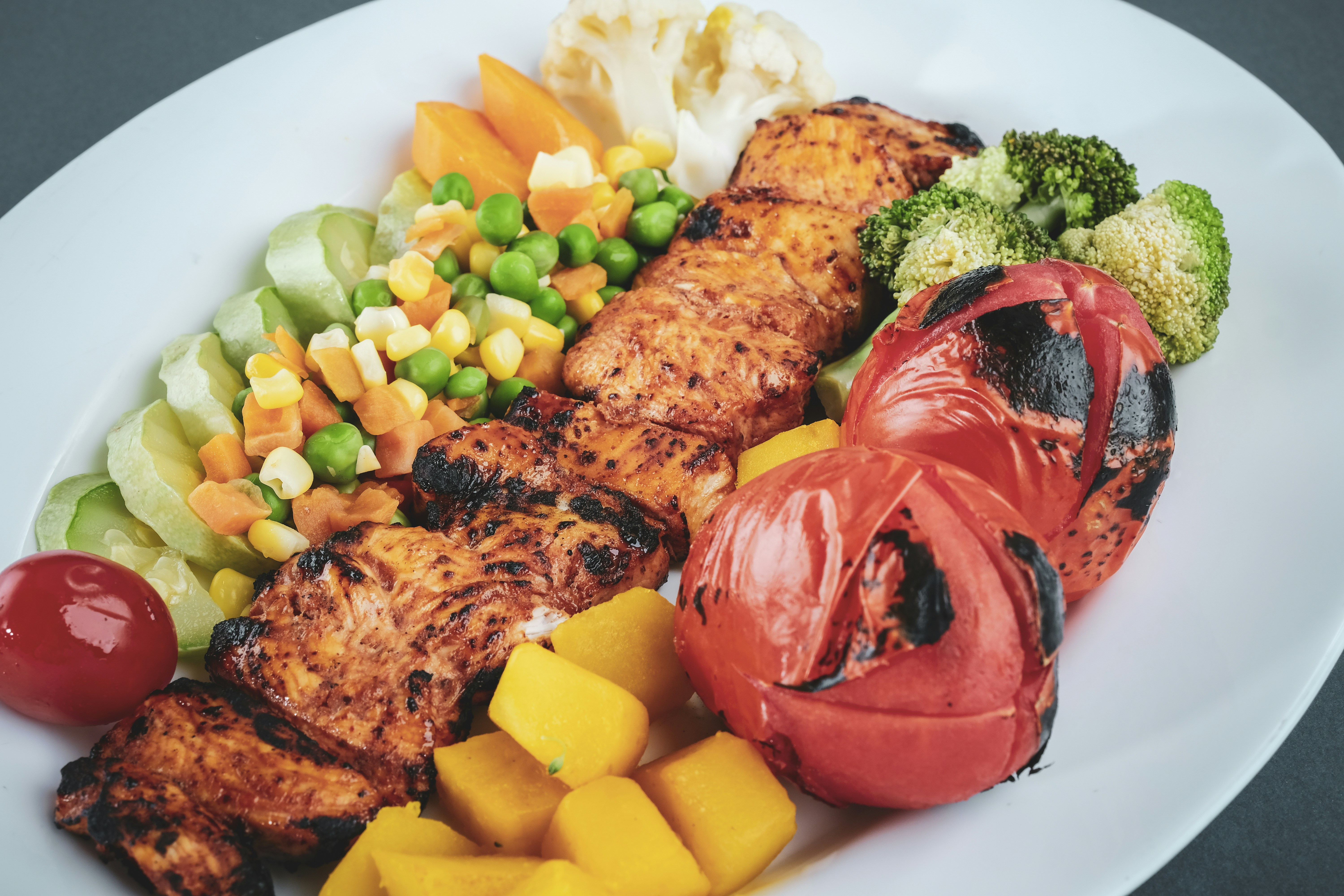
Here’s a simple way to put theory into practice. The Healthy Eating Plate from Harvard’s T.H. Chan School of Public Health offers an easy visual guide:
- Fill half your plate with vegetables and fruits. Vary your colors and types. Raw, roasted or lightly steamed – they all count.
- Reserve one quarter for whole grains. Opt for brown rice, whole wheat pasta or barley. Whole grains retain the bran and germ, providing fiber and B vitamins.
- Use the remaining quarter for lean protein. This could be grilled chicken, baked fish, tofu stir‑fry or a mixed bean salad. Limit red and processed meats.
- Add healthy plant oils. Cook with olive, canola or avocado oil. Sprinkle nuts or seeds on salads for extra good fats.
- Drink water or unsweetened beverages. Swap sugary drinks for water, herbal tea or sparkling water infused with fruit.
By following these guidelines, you’ll cover all the essential food groups in proper proportions.
Practical Tips for a Balanced Diet
Adopting a balanced diet requires small, sustainable changes rather than a complete overhaul. Here are some tips to help you get started:
- Plan your meals. Use a weekly meal plan to ensure variety and save time. Include different proteins, grains and vegetables each day.
- Mind your portions. Use smaller plates or bowls to avoid overeating. Eating slowly and mindfully gives your brain time to register fullness.
- Cook at home. Preparing meals yourself lets you control ingredients, portion sizes and cooking methods. If you eat out, pick dishes that emphasize vegetables and whole grains.
- Read nutrition labels. Check serving sizes and ingredients. Avoid foods high in added sugars, sodium and trans fats.
- Stay hydrated. Carry a reusable water bottle and sip water throughout the day. Even mild dehydration can impact energy and cognitive function.
- Practice moderation. No foods are completely off limits. Enjoy sweets or treats occasionally as part of an overall healthy pattern.
Balanced Diet for Weight Management
Many people turn to crash diets to lose weight quickly, but these approaches often backfire. A balanced diet supports healthy weight loss because it focuses on nutrient‑dense foods, not deprivation. Here’s why:
- Sustainable calorie control. Whole grains, lean proteins and vegetables are naturally lower in calories and high in fiber, making you feel full without overloading on calories.
- Metabolic support. Adequate protein helps preserve lean muscle mass during weight loss, which keeps your metabolism from slowing down.
- Stable blood sugar. Balanced meals minimize blood sugar spikes and crashes that can trigger cravings.
- Better eating habits. When you focus on nourishing foods, you are less likely to binge or crave highly processed snacks.
If weight loss is a goal, combine balanced eating with regular physical activity. Walking, strength training, or any activity you enjoy will amplify your results.
Balanced Diet Across Life Stages
Your nutritional needs change as you age. A balanced diet helps you meet those needs throughout life:
- During pregnancy. Expectant parents need extra nutrients like iron, folate and calcium. Include leafy greens, beans, fortified cereals and prenatal vitamins (as prescribed) to support fetal development and maternal health.
- For children and adolescents. Growing bodies require sufficient calories, proteins and vitamins. Offer a variety of foods and encourage kids to try new fruits, vegetables and whole grains. Limit sugary drinks and snacks.
- In adulthood. Focus on plant‑based foods, lean proteins and whole grains to maintain energy levels and reduce disease risk.
- For older adults. Bone and muscle health become more critical. Increase calcium and vitamin D intake, stay hydrated and choose softer foods if chewing becomes challenging. Balanced meals can also support cognitive health and prevent age‑related decline.
Frequently Asked Questions
Is a balanced diet the same as a low‑carb or keto diet?
No. A balanced diet includes all macronutrients – carbohydrates, protein and fat – in the right proportions. Low‑carb or ketogenic diets restrict carbs to put the body into ketosis. While they may offer short‑term weight loss, they can be difficult to sustain and may lack certain nutrients.
Do I need supplements if I eat a balanced diet?
In most cases, you can get enough nutrients from a balanced diet. However, certain groups (pregnant women, older adults, vegetarians) may need supplements like vitamin B12, iron or omega‑3. Speak with a healthcare professional before adding supplements.
Can I enjoy treats and still have a balanced diet?
Absolutely. Moderation is key. A balanced diet allows room for occasional indulgences without derailing your health goals. Focus on overall patterns rather than single meals.
How can I tell if my diet is balanced?
Keep a food journal for a few days. Review your entries to see if you’re regularly eating fruits, vegetables, whole grains, lean proteins and healthy fats. Online tools and apps can also help track nutrient intake.
Conclusion and Next Steps
A balanced diet is the foundation of lifelong health. By eating a variety of nutrient‑dense foods in the right proportions, you support your body’s natural processes and reduce the risk of chronic disease. Start by making small adjustments: add an extra serving of vegetables to your plate, swap refined grains for whole grains, and drink more water. Over time these small changes will add up to big benefits.
Ready to transform your eating habits? Bookmark this guide, experiment with new recipes and share what you learn with friends and family. Embrace the balanced diet lifestyle and enjoy the lasting health and vitality it brings.